
If you picked up your laptop today, stared at the screen, and thought I'd rather be outside doing something real, you're not alone. A growing number of founders are trading the desk for work they can see and feel — jobs with a truck, some equipment, and a handshake at the end. The draw isn't just fresh air. It's the promise of income you can see stacking up, one finished job at a time.
In a recent Inc. article, Chris Morris highlighted five startup ideas for founders who'd rather work outdoors than in front of a screen. What follows is an original breakdown of those five paths — with a realistic first step for each, so you can test the idea on a small budget before going all in.
1. Lawn Care and Landscaping
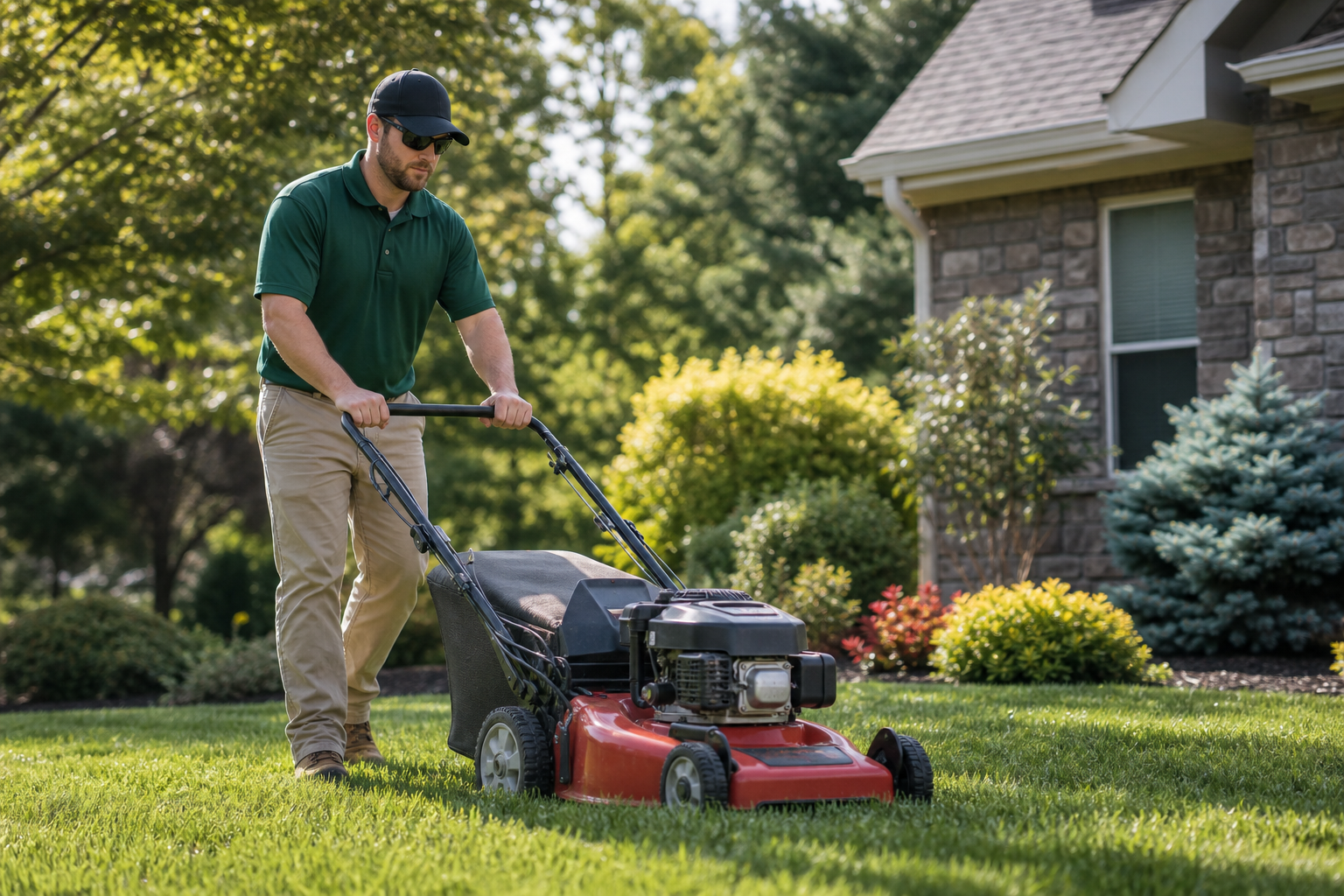
Lawn care runs on repeat business. Homes and businesses need the same service again and again, which means one signed customer can pay you every week or every two weeks for months. That recurring revenue is the main reason people stick with this work.
The squeeze comes from fuel and equipment costs, which eat into margin fast. Battery and electric equipment helps lower that ongoing expense, even if the upfront price is higher. Meanwhile, demand is shifting: as water becomes more of a concern, drought-resistant landscaping is growing, and sustainable landscaping is projected to reach roughly $13.5 billion by 2030. Simon Worsfold of Intuit QuickBooks, quoted in the piece, notes that physical-work industries offer economic stability, sustained demand, and the freedom to adopt AI on your own terms.
First step: Take on three neighbors' lawns with a mower you already own (or rent) and a used trimmer. Charge a flat weekly rate and aim for a signed agreement — recurring customers are the real asset, not the equipment.
2. Pressure Washing
Pressure washing appeals because the transformation is immediate and dramatic: a grimy driveway or stained sidewalk turns clean in minutes. You can serve both homeowners and businesses, from patios to storefronts.
The lesson from the industry is that one-off jobs aren't where the money is. Bundling recurring services — seasonal washes, quarterly exterior cleanings — beats chasing single jobs, a point drawn from a 2025 DAB Marketing report cited in the article. The tradeoff is higher upfront equipment cost: a quality washer, hose reels, buffer tanks, and chemicals add up before your first customer pays you.
First step: Rent a pressure washer for a weekend and clean two driveways for people you know, charging enough to cover the rental. Ask both if they'd like it done again on a schedule — that question tests whether recurring work actually exists in your area.
3. Junk Removal
Junk removal solves an immediate, physical problem: stuff that's too big or too awkward for normal trash pickup. The demand is steadier than you might think. More than 63% of households produce bulky waste about twice a year, and 58% of small businesses need junk removal at some point, according to the article's figures.
The market is meaningful and growing — roughly $1.2 billion this year, projected to hit about $3.4 billion by 2034 — and gross margins average around 40%. The work is hard and the disposal fees are real, but the model is straightforward: you charge for your time, your truck, and the load.
First step: Start with just a truck or trailer you can borrow and offer a single-neighborhood "curbside pick-up day." Cover disposal fees in your price and keep the route local so you learn the costs before scaling.
4. Mobile Car Detailing
Mobile detailing removes a time pain point: instead of driving somewhere and waiting, customers get their car cleaned where it already sits — at home or at work. That convenience is the entire pitch, and it's why the model travels well.
The numbers are eye-catching. The global mobile car wash market is projected to reach roughly $283 billion by 2035, up from about $126 billion last year, per Future Market Insights as cited in the article. A solo operator can start light, carrying the essentials to the customer rather than maintaining a shop.
First step: Offer a basic interior-and-exterior package to five coworkers or neighbors at a fair price, working out of your own car. Focus on before-and-after photos — they're your cheapest and most effective marketing tool.
5. Pool Maintenance
Pool maintenance works best in warm states and affluent suburbs, where pools are common and owners would rather pay someone else to keep the water clean. The market is projected to grow from $27.4 billion to $45.5 billion by 2032, per the article.
Margins vary by what you do. Cleaning typically carries 15–30% margins, while equipment and repair work tends to earn more, a breakdown attributed to Nip Group in the piece. The income picture scales with size: a solo route can net roughly $75,000 to $120,000 a year, and a multi-truck operation can reach $200,000 to $400,000 or more. None of that is guaranteed — it reflects established routes, not a first season.
First step: Spend a season working part-time for an established pool company to learn the chemistry and the rhythm of a route. That paid learning curve beats buying chemicals and equipment you don't yet know how to use.
How Bot Commander Fits
None of these businesses fail because the work is too hard. They fail because the owner gets buried in the back office — scheduling, chasing invoices, and following up with leads after a long day outside. That's where Bot Commander — Your AI Home & Business Automation System — comes in.
Think of it as the office work that runs while you're on the truck. It can help you schedule jobs, send and track invoices, follow up with leads who haven't answered, nudge quotes that went quiet, and ask happy customers for reviews. The physical work stays yours; the busywork gets handled.
You don't need to go fully digital on day one. Pick one task that eats your evenings — invoice follow-up is usually the worst offender — and let Bot Commander take it over while you test the business itself.
Ready to start? Download Bot Commander free, pick one outdoor business idea, and take the single first step for it this week. The screen will still be there when you get back — but you might not miss it.
Source: Idea framework and industry statistics adapted from "5 Startup Ideas for Founders Who'd Rather Be Outside Than Behind the Screen" by Chris Morris, Inc. Magazine.